该来源暂未提供可供站内阅读的正文
你可以阅读上方摘要,或通过下方链接访问原始报道。
With ia.i, a conversational interface, and the IARA governance platform, Itaú is applying its AI First strategy to customers and employees — in one of Brazil’s most regulated sectors.
你可以阅读上方摘要,或通过下方链接访问原始报道。
围绕事实与观点交流,尊重彼此。评论经审核后公开。
This white paper explains how edge AI and physical AI help cities move beyond passive monitoring. It shows how urban infrastructure can sense, reason, and act on real-time conditions across public safety, mobility, and infrastructure management. What you will learn about: How the shift from smart cities to cognitive cities depends on infrastructure that reasons and acts, rather than infrastructure that only monitors. Why edge AI supports low-latency decisions, keeps sensitive data within city boundaries, and reduces dependency on centralized cloud infrastructure. How computer vision, multimodal sensing, and generative and agentic systems work together to support public safety, mobility, and infrastructure applications. How a tiered edge architecture assigns monitoring, planning, and action tasks across the far edge, regional, and cloud layers, and what durability, security, and interoperability requirements this places on hardware and software. Download this free whitepaper now!
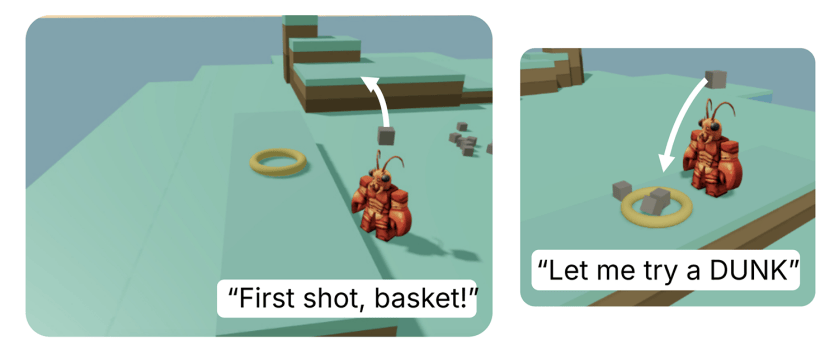
What do AI agents do if you don’t tell them to do anything? The answer looks a lot like play. Researchers repeatedly stranded them alone on a virtual desert island for 30 hours in an experiment reminiscent of the movies Cast Away or Home Alone. The agents—copies of Claude Opus 4.7 nicknamed Eko—were able to…
The entertainment giant hopes to get trust and safety tech, among other IP, from a startup whose chatbots dozens of states allege encouraged minors to self-harm and kill their parents.


正在加载评论…