The current source text is the original text and can be switched to the Chinese translation.
SaveShare
报道配图 · 来源:LessWrong
Overview
Hi! We are Ana and Carolina and are writing a collaborative piece hoping to analyze and tackle some biosecurity field-related questions and perceived problems. We want to see how one's experiences as a working person in the community align with general trends and reports of different organisations, governments, and policymakers. This form should take less than 5 minutes. We are mindful of people's time so please don't stress grammar or response length! We'd love to get as many responses as possible. Thanks in advance! Edit: if you'd like to expand on any of the ideas you included, feel free to message one of use! We'd also appreciate sharing this to more folks in the field :) Discuss
Hi! We are Ana and Carolina and are writing a collaborative piece hoping to analyze and tackle some biosecurity field-related questions and perceived problems. We want to see how one's experiences as a working person in the community align with general trends and reports of different organisations, governments, and policymakers. This form should take less than 5 minutes. We are mindful of people's time so please don't stress grammar or response length! We'd love to get as many responses as possible. Thanks in advance!
Edit: if you'd like to expand on any of the ideas you included, feel free to message one of use! We'd also appreciate sharing this to more folks in the field :)
READ THE ORIGINAL
Read the original for the full context.
The content of this article comes from LessWrong,Copyright belongs to the original author and publisher.
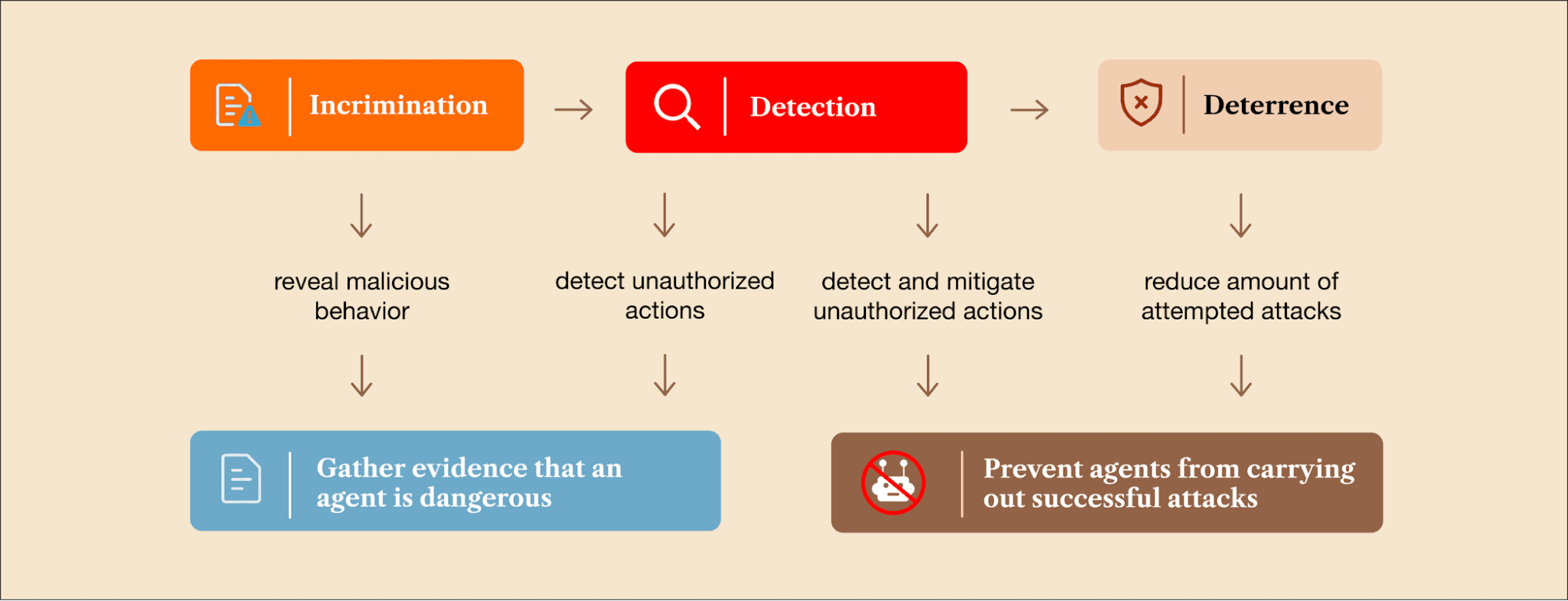
TLDR: We propose a new AI control method: Honeypots - fake opportunities for malicious actions - placed inside and around an agent during production usage. Previous work uses honeypots in evaluations. We argue they should run continuously during deployment. Such honeypots could detect misbehavior, incriminate malicious agents, and deter them from attempting attacks. We lay out a research agenda for making this happen.
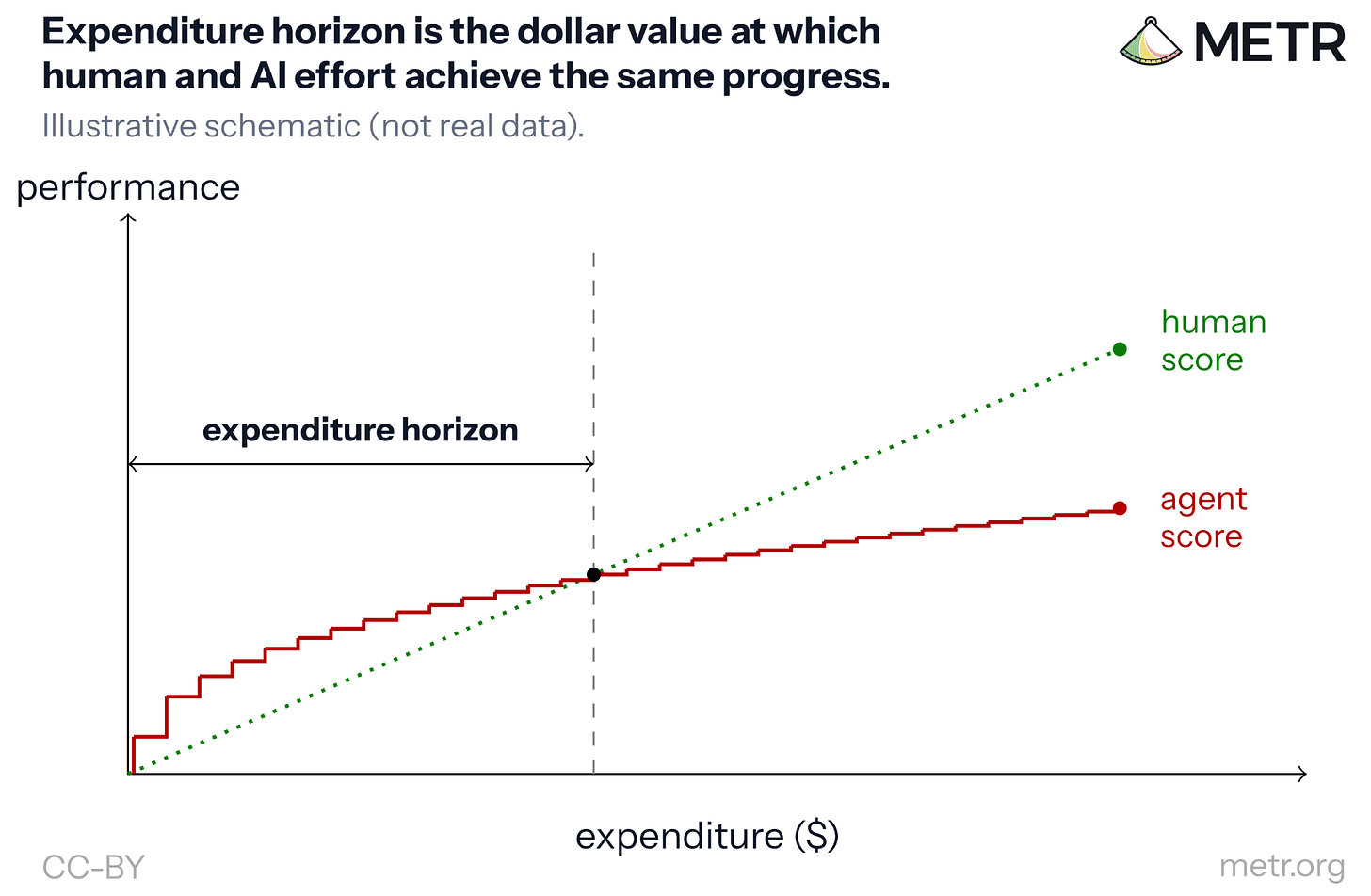
In a research post , Cunningham et al. of METR propose the “‘expenditure horizon’ over an optimization problem as the dollar value at which the improvement to the goal metric is equal to the improvement by a human with the same budget.” Though their work focuses on individual optimization problems (with NanoGPT as the main subject), the expenditure horizon can be meaningful for any task distribution: it’s the budget at which human-only and…


Loading comments…