The current source text is the original text and can be switched to the Chinese translation.
SaveShare
报道配图 · 来源:LessWrong
Overview
I had a tough time watching Succession. There's no doubt that it's Prestige TeeVee in the SCP sense , but it's a deeply misanthropic show and actively tries to make you a worse person. I am a meaner individual for having finished it , and I detest its perspective on people and the world. I also detest what it signals about our culture as a whole that this is now "my generation's" capstone TV series. A common misconception about Succession is that it's about "bad people". You see this constantly restated in online commentary, almost with a nervous energy, as if by stating it loudly they can distance themselves from the characters. If the show's take was merely that the people running News Corp were evil, it would have included normal people as a foil , so that the viewer could compare them with the main cast. Instead, the show's main thesis is actually that most people are evil , and rich people are mostly awful inasmuch as they're no different , with maybe a little bit of selection for characters like Logan at the top. Kendall never manages to do anything prosocial precisely because Kendall is indistinguishable from the guy you met at DNA Lounge, who you should also deeply mistrust. It is useful to compare Succession to Game of Thrones. In Game of Thrones, despite the prevalence of violence, (most) people are fundamentally good , and the constraints of feudalism are the primary thing keeping them locked in horrible battles with each other. You meet characters throughout Game of Thrones, like Jaime Lannister, who do awful things, but you often realize later that the system didn't give them much of a choice. In Succession, people are fundamentally evil, and it only takes the tiniest incentive for them to burn the commons to cinders. Occasionally main characters will do something that appears to reveal character growth, like Kendall's press conference, only for the writers to go to great lengths to reveal to the viewer that no, actually they only did it for selfish reasons. By the last season, it was not quite clear to me that the writers even think "goodness" exists. Succession is "my generation's" favorite TV show because it shares the perspective of the people who have been using the empathy shredders since birth. It is the perspective of Twitter. On Twitter, nobody has ever done anything good; all good deeds are secretly bad, or at the very least have a sinister underlying motive. Succession was created by pre-training this perspective into a base model, and then post-training it on all of the visible details of the Fox media empire. You couldn't have made it in any previous decade because in any previous decade because even in a show about criminals people wouldn't have been able to stomach this stuff for four seasons. It's in this sense that I argue that Succession is not really about capitalism, either. To say that Succession is about capitalism would be to imply that it has some specific policy objections or alternative in mind . But Succession's main criticism of capitalism is that " life is nothing but a competition to be the criminal rather than the victim ." And of course, if that's your objection, what could possibly work ? Discuss
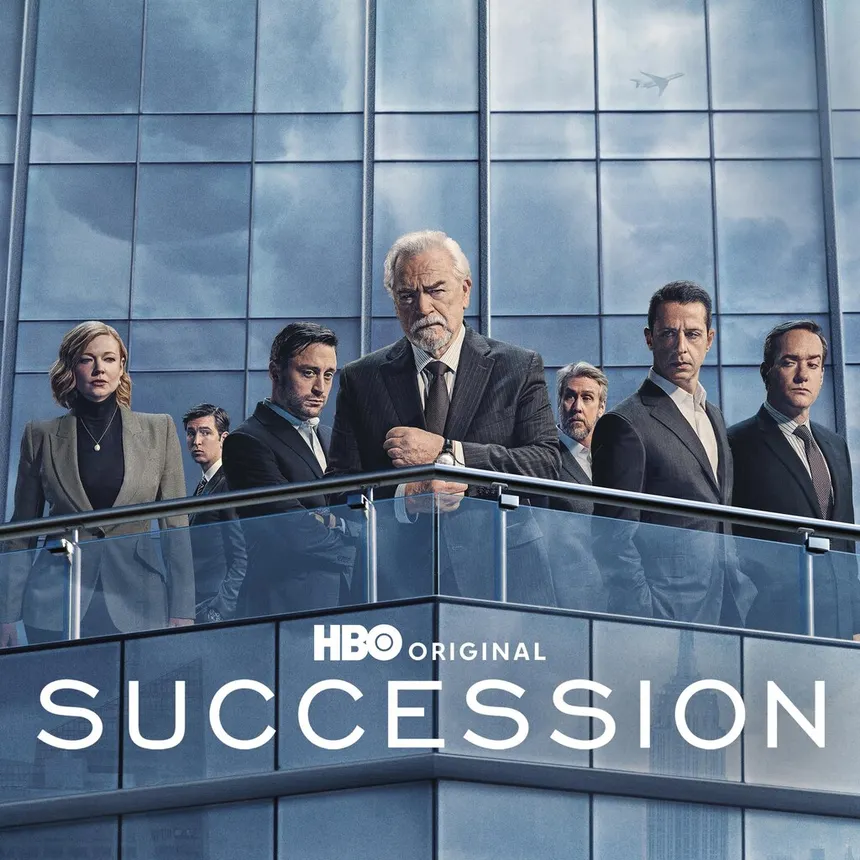
I had a tough time watching Succession. There's no doubt that it's Prestige TeeVee in the SCP sense , but it's a deeply misanthropic show and actively tries to make you a worse person. I am a meaner individual for having finished it , and I detest its perspective on people and the world. I also detest what it signals about our culture as a whole that this is now "my generation's" capstone TV series.
A common misconception about Succession is that it's about "bad people". You see this constantly restated in online commentary, almost with a nervous energy, as if by stating it loudly they can distance themselves from the characters. If the show's take was merely that the people running News Corp were evil, it would have included normal people as a foil , so that the viewer could compare them with the main cast. Instead, the show's main thesis is actually that most people are evil , and rich people are mostly awful inasmuch as they're no different , with maybe a little bit of selection for characters like Logan at the top. Kendall never manages to do anything prosocial precisely because Kendall is indistinguishable from the guy you met at DNA Lounge, who you should also deeply mistrust.
It is useful to compare Succession to Game of Thrones. In Game of Thrones, despite the prevalence of violence, (most) people are fundamentally good , and the constraints of feudalism are the primary thing keeping them locked in horrible battles with each other. You meet characters throughout Game of Thrones, like Jaime Lannister, who do awful things, but you often realize later that the system didn't give them much of a choice. In Succession, people are fundamentally evil, and it only takes the tiniest incentive for them to burn the commons to cinders. Occasionally main characters will do something that appears to reveal character growth, like Kendall's press conference, only for the writers to go to great lengths to reveal to the viewer that no, actually they only did it for selfish reasons. By the last season, it was not quite clear to me that the writers even think "goodness" exists.
Succession is "my generation's" favorite TV show because it shares the perspective of the people who have been using the empathy shredders since birth. It is the perspective of Twitter. On Twitter, nobody has ever done anything good; all good deeds are secretly bad, or at the very least have a sinister underlying motive. Succession was created by pre-training this perspective into a base model, and then post-training it on all of the visible details of the Fox media empire. You couldn't have made it in any previous decade because in any previous decade because even in a show about criminals people wouldn't have been able to stomach this stuff for four seasons.
It's in this sense that I argue that Succession is not really about capitalism, either. To say that Succession is about capitalism would be to imply that it has some specific policy objections or alternative in mind . But Succession's main criticism of capitalism is that " life is nothing but a competition to be the criminal rather than the victim ." And of course, if that's your objection, what could possibly work ?
READ THE ORIGINAL
Read the original for the full context.
The content of this article comes from LessWrong,Copyright belongs to the original author and publisher.
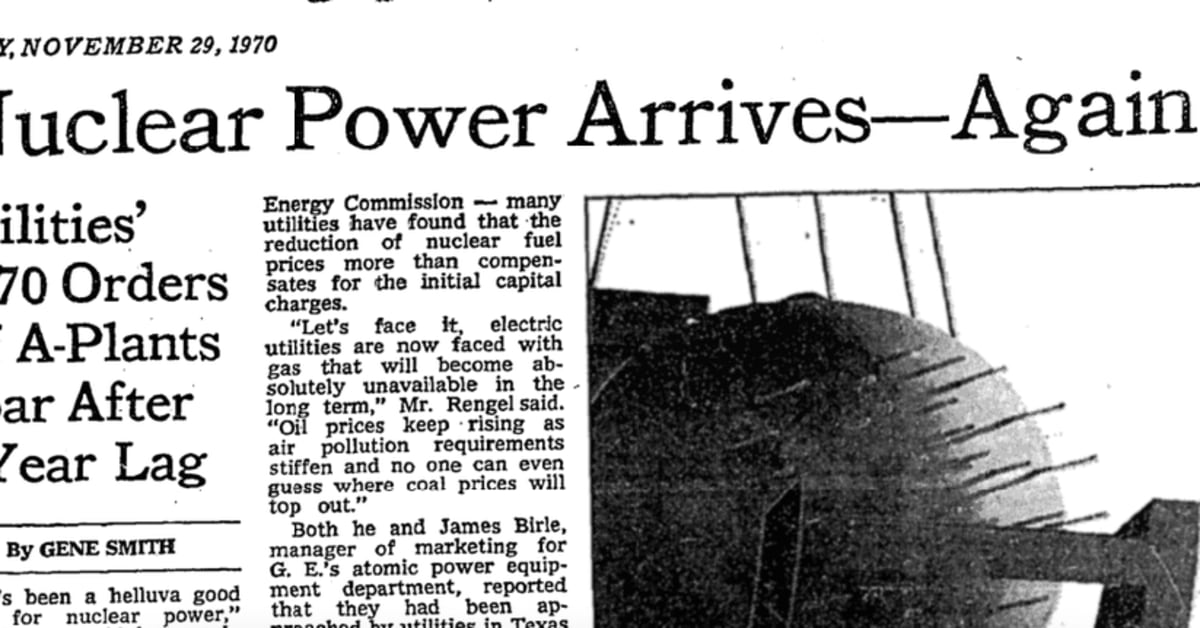
There have always been three main challenges to the viability of nuclear power: over-regulation, competition from natural gas, and stagnant electricity demand. It is easy to list them, but hard to rank their importance. Let's start with over-regulation. The poster child of nuclear over-regulation was the US standard that radiation should be "as low as reasonably achievable" (ALARA), which might sound nice but was bad .
I like to get a lot out of life, so when I read a book or watch a film, I try to pick better pieces of art to experience. I'll choose to watch a Miyazaki than the latest Marvel fast food. I'll choose to read the best articles from the history of the New Yorker rather than pick up today's copy. But I worry I take this too far.
Fourteen years ago, Scott Alexander wrote of the Whispering Earring . It's a cautionary tale of an earring that advises you, and to which you increasingly defer as you realize its suggestions are better than you'd do otherwise. You become very successful, but in the end there's nothing of you left. Ten days after Scott published the story, AlexNet won ImageNet 2012 by a huge margin, kicking off the deep learning revolution.
Loading comments…